
Updated: April 2026
Hearing aid models and features evolve regularly, and this guide reflects the most relevant current options available at the time of writing.
The best hearing aids for UK seniors / elderly in 2026 focus on AI-driven noise reduction, rechargeable battery longevity, and improved speech clarity in noisy environments.
Most hearing aids now include advanced hearing aid features such as AI noise reduction, smart sound adjust, and improved performance when reducing background noise in complex listening environments.
Leading models include:
- Phonak Infinio Ultra Sphere
- Oticon Intent
- Starkey Omega AI
These premium devices often feature rechargeable batteries and Bluetooth for superior connectivity. These represent some of the best hearing aid brands currently available, although other hearing aids and newer hearing aid models continue to emerge each year.
Top Hearing Aids for Seniors / Elderly in 2026
- Best Overall for Noise (AI): Phonak Infinio Ultra Sphere i90 (uses Deep Sonic AI for superior speech separation in noise).
- Best for Adaptability: Oticon Intent 1 (uses AI to understand user intent for better sound processing).
- Best for Daily Handling: Signia Silk Charge&Go 7IX (rechargeable, invisible-in-the-canal).
- Best for Health Features: Starkey Omega AI 24 (includes wellness sensors and AI support).
- Best Value/Performance: Rexton Reach 20 (available at lower price points while offering strong performance).
Key Considerations for Seniors / Elderly
- Rechargeable Technology: Essential for seniors / elderly with dexterity issues, as it removes the need to change small batteries. This is particularly helpful for those wearing hearing aids for the first time, where ease of use can reduce the initial learning curve.
- Automatic Environments: Platforms like the Signia Integrated Xperience (IX) offer 22% better speech understanding in group conversations, adapting automatically to surroundings.
- Best Form Factors: Receiver-in-canal (RIC) or rechargeable In-the-Ear (ITE) devices are popular for offering both comfort and easier handling.
- Invisible Option: The Phonak Lyric is highlighted for seniors / elderly desiring a deeply seated, invisible solution that stays in for months.
Prices for top-tier hearing aids can range from ~£695 to ~£1995 per aid in the UK.
In the UK, around 12 million people (approx. 18% of the population) suffer from hearing loss. The cause of most hearing loss is ageing (age related hearing loss), although other factors affecting the auditory nerve and inner ear can also contribute. As we age, we lose our ability to hear soft sounds, especially in the high frequency range.
The result is that you can feel people are mumbling. You may have to turn up the volume on your TV or find yourself straining to follow a conversation in noisy environments. Older people often report that in a restaurant or café environment, the effort required to hear is tiring leading them to become disengaged with the conversation.
Our brains process our hearing, and as our hearing deteriorates, not enough sound data reaches the brain to make sense of the incoming speech. The brain will try and fill in the gaps in the sound data. This takes a lot of effort and explains why you may find what should be a pleasurable conversation tiring.
This is especially noticeable with high frequency sounds, where clarity is reduced even when volume seems adequate.
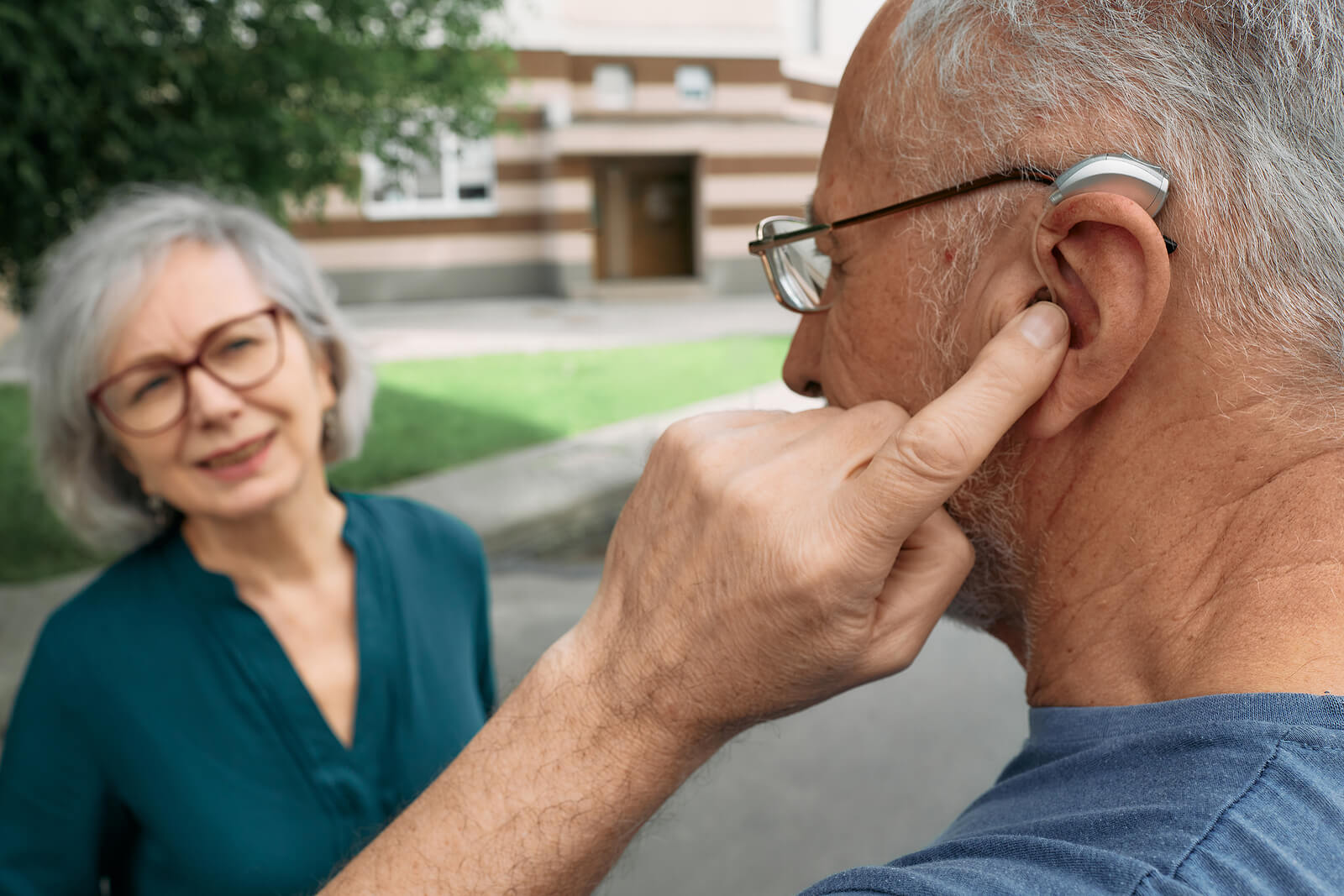
Why are Hearing Aids Important for Seniors?
By treating age-related hearing loss with hearing aids, you allow the right amount of sound to reach the brain. As a result, understanding speech becomes easier and social environments become less frustrating and pleasurable again.
Hearing aids work by amplifying and processing sound before delivering it clearly to the auditory nerve, helping the brain interpret speech more accurately.
Hearing loss in the elderly can also cause indirect issues such as cognitive decline and social isolation, so treatment with hearing aids is not only important for hearing, but also for general quality of life.
The Link Between Hearing Loss and Cognitive Decline
Numerous studies have shown a strong correlation between hearing loss and cognitive decline in seniors. When individuals have difficulty hearing, their brains have to work harder to process sounds and understand speech. This increased load on the brain can lead to cognitive decline over time. Additionally, the reduced auditory input resulting from hearing loss can lead to a decrease in brain stimulation, which further contributes to cognitive decline.
Fortunately, wearing hearing aids can help alleviate these issues. By amplifying sounds and improving the clarity of speech, hearing aids reduce the cognitive load on the brain and provide the necessary auditory stimulation. This, in turn, can help slow down cognitive decline and improve overall quality of life for seniors.
Social Isolation and the Role of Hearing Aids
Social isolation is a common consequence of hearing loss in seniors. As hearing abilities decline, seniors may struggle to participate in conversations and social activities, leading to feelings of loneliness and isolation. Hearing aids play a crucial role in combating social isolation by improving communication and facilitating social interactions.
By amplifying sounds and enhancing speech clarity, hearing aids enable seniors to engage more effectively in conversations, both in one-on-one settings and in group settings. This is especially important for seniors with different types of hearing loss, as hearing aids can be customised to address their specific needs. This can help seniors maintain their social connections, participate in activities they enjoy and generally improve their mental and emotional well-being. Hearing aids empower seniors to remain connected with their loved ones and the world around them, enhancing their overall quality of life.
Key Features to Look for in Hearing Aids for Seniors
Choosing the right hearing aid for seniors involves considering key features that can enhance their overall auditory experience. Here are the key hearing aid features to look for:
- Noise Reduction: Hearing aids with noise reduction capabilities help minimise background noise, allowing for clearer conversations in noisy environments.
- Feedback Suppression: Hearing aids with feedback suppression technology reduce or eliminate whistling sounds, providing a more comfortable listening experience.
- Connectivity Features: Hearing aids with Bluetooth connectivity can wirelessly connect to smartphones, televisions, and other devices, allowing phone calls, hands free calling, and audio streaming.
- Battery Life: Consider the battery life of the hearing aid, as longer battery life reduces the frequency of battery replacements.
- Comfort and Fit: It is important to choose a hearing aid that is comfortable to wear and fits securely in the ear.
- Cost and Payment Options: Consider the cost of the hearing aid and explore payment options, such as insurance coverage or financing plans. In some cases, insurance covers hearing aids, although this varies depending on provider and policy.
Prescription Hearing Aid Brands vs OTC Hearing Aids
Prescription hearing aids are fitted by a hearing care professional following a hearing test and are suitable for more severe hearing loss or complex needs.
OTC hearing aids (over-the-counter) are designed for mild hearing loss and can be purchased without a hearing exam, although they typically offer fewer advanced adjustments than prescription hearing aids.
What Are the Best Types of Hearing Aid for Seniors?
Hearing Aid technology improves with each new release of hearing aids by the manufacturers. There are different types of hearing aids ranging from ones that go behind the ear (BTE and RIC) and ones that go in the ear (IIC, CIC, ITC and ITE). In each category we have highlighted which we feel is the best aid released in the last year.
These different hearing aid types are designed to suit varying levels of hearing loss, from mild hearing loss through to more severe hearing loss.
Best Receiver in Canal Hearing Aid
The receiver in the ear design is one of the most popular options due to its balance of performance and discreet appearance. Receiver-in-Canal (RIC) hearing aids are very light and comfortable to wear. Though they tend to sit on the ear, the device is very small, and the wire into the ear is very thin and therefore unnoticeable. They offer a natural sound experience and are known for their open-fitting design. Here are the key features of RIC hearing aids:
- Natural Sound: RIC hearing aids provide a more natural sound experience by allowing low-frequency sounds to enter the ear naturally.
- Open Fitting: The open fitting design of RIC hearing aids allows for better ventilation and reduces the occlusion effect, providing a more comfortable and natural listening experience.
- Directional Microphones: RIC devices often come equipped with directional microphones that enhance speech understanding in noisy environments.
- Less Visible: RIC hearing aids have a less visible behind-the-ear portion, making them a more aesthetically appealing option for seniors.
- Manual Control Options: Many RIC hearing aids offer manual control options, allowing users to adjust settings like volume and program settings according to their preferences.
- Battery Life: RIC hearing aids typically use smaller batteries, but rechargeable options are also available for convenience.
Our Top RIC Hearing Aid Picks
Oticon Intent is part of Oticon’s current Receiver-in-Canal hearing aid range. Intent is Rechargeable and available in four technology levels: 4, 3, 2, and the top-of-the-range 1. The technology level you choose will depend on your lifestyle and budget.
The Sirius™ platform powers Oticon’s Intent. Sirius™ enables Oticon’s 4D sensor technology, Deep Neural Network (DNN) 2.0, MoreSound Intelligence™ 3.0 and MoreSound Amplifier™ 3.0 to operate.
The Oticon rechargeable battery lasts all day; a 15-minute charge gives four hours of use.
The hearing aids use Bluetooth and will pair with many mobile phones, with some allowing for two-way streaming. Can you stream on your phone? Check compatibility
Oticon Intent has the best feedback cancellation system. MoreSound Optimiser detects and prevents the hearing aid from feedbacking (whistling) without sacrificing gain (volume).
Other hearing aids worth considering
- Phonak Infinio Ultra Sphere (Best for Noise): Uses a dedicated real-time AI chip to separate speech from noise, with up to 56 hours of battery life.
- Starkey Omega AI 24 (Best AI/Discretion): Small, durable, and packed with health-tracking sensors, offering excellent speech clarity.
- Signia Pure Charge&Go / Rexton Reach: Highlighted for effective noise processing without requiring AI.
Best Behind the Ear Hearing Aid
Behind-the-ear (BTE) design hearing aids sit behind the ear and are popular among seniors due to their comfort and versatility. The device has an ear hook from which a tube is attached. The tubing can be of different circumference and thickness (depending on the severity of loss) and attaches to an earpiece that fits in your ear. The earpiece could be a dome shape or a custom-fit mould.
Here are some key features of BTE hearing aids:
- Comfort: BTE hearing aids are designed to sit comfortably behind the ear, making them suitable for extended wear.
- Level of Hearing Loss: BTE devices can accommodate a wide range of hearing loss levels, making them a versatile option.
- Amplification: BTE hearing aids provide powerful amplification, making them a strong option for individuals with more severe hearing loss.
- Noise Reduction: Many BTE hearing aids come equipped with advanced noise reduction technology, allowing for clearer conversations in noisy environments.
- Bluetooth Connectivity: Some BTE hearing aids offer Bluetooth connectivity, allowing for seamless integration with smartphones and other devices.
- Battery Life: BTE hearing aids typically have larger battery sizes, providing longer battery life and reducing the need for frequent replacements.
Our Top BTE Hearing Aid Picks
- Best Overall for Noise: Phonak Sphere Infinio Ultra R (released Oct 2025) uses a Deep Sonic AI chip for superior speech separation in loud environments, offering excellent sound quality and connectivity.
- Best for Battery Life/Power: Signia Motion Charge&Go EX offers up to 73 hours of battery life (Super Power) and is ideal for severe-to-profound hearing loss.
- Best for Group Conversation: Signia IX series (integrated Xperience) tracks multiple speakers in real-time, improving speech understanding.
- Best Value/Performance: Rexton Reach 20 (approx. £695 per aid) offers highly effective non-AI noise processing and strong Bluetooth connectivity.
- Premium Choice: Oticon Intent 1 (MiniBTE R) is highly rated for its 360-degree sound technology, providing clear, natural hearing.
Best Invisible in Canal Hearing Aid
Invisible-in-Canal (IIC) are the smallest hearing aids on the market. More than any other model, they fit the furthest down the ear canal, making them virtually undetectable. These models can help the most with hearing voices and providing more natural sound.
Here are the key features of IIC hearing aids:
- Ultimate Discretion: IIC hearing aids are the most discreet option, as they are virtually invisible when worn.
- Inner Ear Placement: IIC devices are placed deep in the ear canal, making them invisible to others.
- Custom-Made: IIC hearing aids are custom-made to fit the individual’s ear canal, ensuring a secure and comfortable fit.
- Mild to Moderate Hearing Loss: IIC devices are suitable for individuals with mild to moderate hearing loss.
- Inner Ear Sound Processing: The placement of IIC hearing aids allows for natural sound transmission and localisation.
- Limited Features: Due to their small size, IIC hearing aids may have limited features such as volume control or directional microphones.
These more discreet hearing aids are often chosen by users prioritising aesthetics, although they may involve a slightly steeper learning curve when first wearing hearing aids.
Our Top IIC Hearing AidPicks
- Top Performer (Invisible + Rechargeable): Oticon Zeal. Utilizing similar technology to the Odicon Intent 1, this device is considered groundbreaking because it packs AI-driven processing and Bluetooth LE audio into a device that sits entirely within the ear canal.
- Most Invisible (Deep Fit): Phonak Lyric. Frequently cited as the “best” for complete invisibility, it is placed deep in the ear canal by a professional and worn 24/7 for months at a time.
- Most Comfortable/Discreet (Instant Fit): Signia Silk Charge&Go IX (and earlier 7IX models). These are nearly invisible, utilize soft silicone sleeves for instant, comfortable fitting without custom moulds, and offer high-level speech understanding in noise.
- Other Notable Models: The Starkey IIC is a popular choice for custom, minimalist design
Best Completely in Canal Hearing Aid
Completely-in-Canal (CIC) are similar to IICs but don’t fit as far down into your ear canal. You may still be able to see part of the hearing aid, though it won’t be as obvious as a RIC or BTE. Here are the key features of CIC hearing aids:
- Minimal Visibility: CIC hearing aids are the smallest and least visible type, making them an excellent choice for individuals seeking a discreet hearing solution.
- Mild to Moderate Hearing Loss: CIC devices are suitable for individuals with mild to moderate hearing loss.
- Small Size: CIC hearing aids are known for their small size, providing a comfortable fit and reducing the awareness of wearing a hearing aid.
- Customisation: CIC hearing aids are custom-made to fit the individual’s ear canal, ensuring a secure and comfortable fit.
- Battery Life: Due to their compact size, CIC hearing aids use smaller batteries, which may have a shorter lifespan and require more frequent replacements.
- Earwax Clogging: CIC hearing aids may be more susceptible to earwax clogging the speaker, requiring regular cleaning and maintenance.
Our Top CIC Hearing Aid Picks
Starkey Genesis AI is part of Starkey’s current generation of AI-powered hearing aids.
Starkey’s Genesis AI features a Neuro Processor, which provides enhanced memory, speed, and overall performance. This advanced digital processor is designed to mimic brain function and includes several key features:
- Increased Speed and Enhanced Computer Power: The Neuro Processor is four times faster than previous processors used in Starkey’s hearing aids. This speed allows for quicker sound processing, making the hearing aid more efficient and effective in real-time audio processing. With six times more transistors, incoming sound signals are processed four times faster, allowing for more complexity and nuance.
- Neuro Sound Technology lets wearers hear soft sounds without noise interference. It also helps distinguish words and speech more intuitively, reducing the user’s listening effort.
- Mimicking Brain Function: The processor technology mimics the brain’s function in processing sounds. This approach aims to provide a more natural hearing experience, aligning more closely with how the human auditory system naturally operates.
Other hearing aids worth considering
- Oticon Zeal: Considered a top contender for 2026, it offers RIC-quality sound in a,rechargeable, truly invisible in-ear package with Bluetooth LE Audio.
- Phonak Virto Paradise Titanium: Renowned for extreme durability and small size, using medical-grade titanium to fit deep in the canal.
- Oticon Own SI IIC: An AI-powered, custom-molded invisible option that offers personalized sound settings.
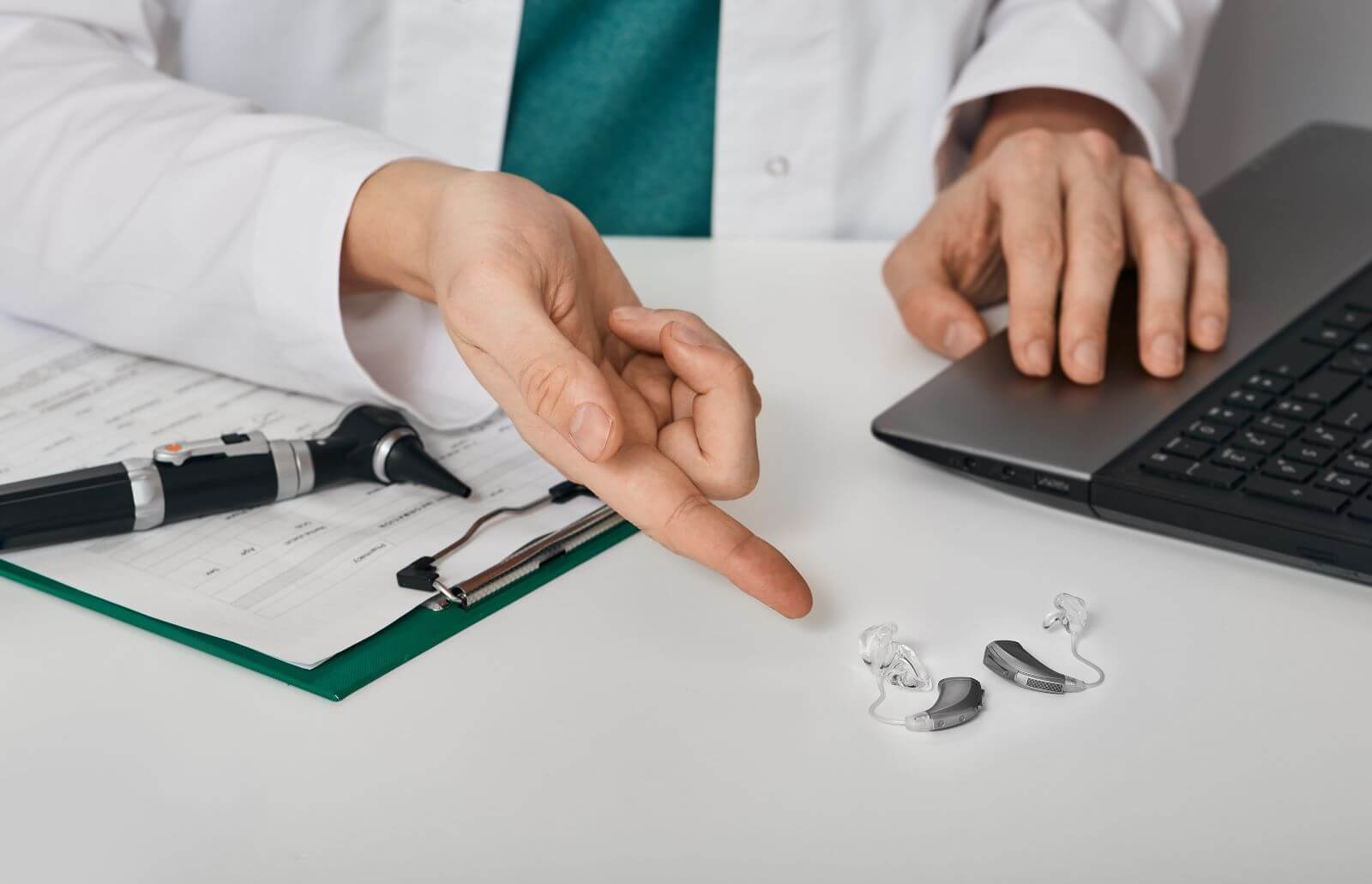
Best In the Canal Hearing Aid
In-the-Canal (ITC) only fit partially in the ear canal. They differ from CIC hearing aids, which sit fully inside the ear canal. Here are the key features of ITC hearing aids:
- Discreet Design: ITC hearing aids are less visible in the ear than larger styles, providing a more discreet hearing solution.
- Mild to Moderate Hearing Loss: ITC devices are suitable for individuals with mild to moderate hearing loss.
- Customization: ITC hearing aids are custom-made to fit the unique shape of the individual’s ear, ensuring a comfortable and secure fit.
- Features: While ITC hearing aids may be smaller, they can still include features such as volume control and directional microphones.
- Earwax Clogging: ITC hearing aids may be more susceptible to earwax clogging the speaker, requiring regular cleaning and maintenance.
- Price Range: ITC hearing aids are available in a moderate price range, making them a popular choice for seniors seeking a balance between features and affordability.
An ITC hearing aid may be the best option if you want nothing behind the ear and an easy-to-handle hearing aid with all the functionality of a RIC or BTE.
Our Top ITC Hearing Aid Picks
- Best Overall Invisible / Discreet: Oticon Zeal is highlighted as a top, potentially best, invisible hearing aid that is rechargeable, durable, and offers good sound quality, sitting entirely inside the ear.
- Best Rechargeable ITC: Unitron Insera R-S offers a powerful, rechargeable, custom-fit option.
- Best “Invisible” Long-Wear: Phonak Lyric 4 is worn 24/7 for months at a time, inserted deep into the ear canal – requires fitting by a professional.
Best In the Ear Hearing Aid
In-The-Ear (ITE) hearing aids are custom-moulded devices designed to fit snugly within the outer portion of your ear canal. They offer a blend of benefits and features that make them appealing for individuals experiencing mild to severe hearing loss.
Some key features of ITE hearing aids are:
- Discreetness: ITE hearing aids are less visible than Behind-The-Ear (BTE) models, making them a popular choice for those who prioritize aesthetics. Comfort: The custom fit ensures they sit securely and comfortably in the ear, minimising the risk of irritation or slippage.
- AI and Noise Management: Models from Phonak and Starkey now use Deep Neural Networks (DNN) to separate speech from noise in real-time.
- Rechargeability: Most premium in-ear models are now rechargeable, removing the need for small battery replacements.
- Connectivity: Look for devices with Bluetooth LE and Auracast support for direct streaming from phones and TVs.
- Superior Sound Quality: Many ITE hearing aids utilise dual microphones, enhancing sound localization and speech understanding in noisy environments. The placement within the ear canal also contributes to a more natural amplification effect.
- Natural Sound Amplification: The positioning within the ear canal provides a more natural amplification of sound
- Customisation: ITE hearing aids are custom-moulded to fit your unique ear shape, ensuring optimal comfort and performance
- Suitable for Various Degrees of Hearing Loss: They can effectively address mild to severe hearing loss.
Our Top ITE Hearing Aid Picks
- Best Overall for Noise (ITE): Phonak Infinio Ultra (or Sphere i90) represents the pinnacle of technology, using a Deep Sonic AI chip to significantly reduce background noise and improve speech understanding.
- Best for Comfort & Occlusion (CIC/ITC): Signia Silk Charge&Go 7IX is a top choice for immediate-fit, rechargeable in-ear hearing, overcoming the “plugged up” (occlusion) feeling with an open-fit design.
- Most Invisible / Smallest (IIC): Starkey Genesis AI IIC is the smallest available, providing high-level, discrete hearing, ideal for mild to moderate loss.
Best Overall Hearing Aid
Choosing a top overall hearing aid may differ from user to user. Keep in mind that the best hearing aid for you will depend on your hearing health, lifestyle, and whether you require prescription hearing or OTC hearing solutions.
The Oticon Intent is a universally excellent hearing aid for most users. It comes in four technology levels. The entry-level Intent 4 is packed with technology at an excellent price.
Choosing from Hearing Aid Reviews
With so many hearing aids to choose from, it’s important to evaluate the best hearing aids to buy based on your individual needs. Hearing aids for seniors come in very different fits, styles and performances.
If you or an elderly loved one is experiencing hearing issues and would like to see a private audiologist in London for independent advice on choosing a hearing aid, please schedule an appointment for a hearing test with a qualified hearing professional.